

Dentistry and oral surgery
Dentistry and oral surgery
Advanced care for the oral health of animals
Oral health is a key element in the overall well-being of pets. Dental and oral diseases, if left untreated, can lead to chronic pain, serious infections and complications affecting other organs, such as the heart or kidneys.
To ensure optimal oral hygiene and quality dental care for your pet, contact CENTREDMVET today to book an appointment!
Introduction
At CENTREDMVET, we offer specialized care in dentistry and oral surgery, from preventive care to complex procedures. Thanks to state-of-the-art equipment and advanced expertise, we provide treatments tailored to each patient, guaranteeing effective relief and a better quality of life.
Digital Dental Radiography
Precise diagnosis of dental diseases that are not visible during a clinical examination.
Specialized Maxillofacial Surgery
Treatment of tumors, fractures, and congenital abnormalities.
Advanced Anesthesia Techniques
Optimal pain management for improved postoperative comfort.
Interdisciplinary collaboration and personalized care
Our dental specialists work closely with anesthesiologists, oncologists and radiologists to provide an integrated approach and rigorous follow-up for patients requiring advanced oral care. This multidisciplinary approach optimizes recovery and ensures safe, effective treatment.
Whether for preventive screening, curative care or specialized surgery, our dentistry department is available to offer advanced care, always with respect for animal welfare.
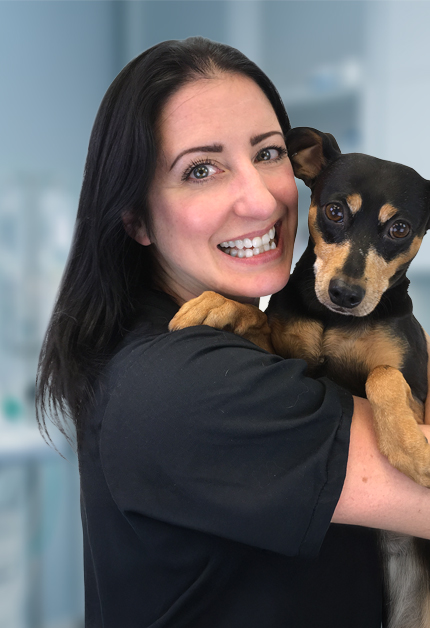
Dental and oral surgery services
Endodontics: Pulpal diseases and fracture treatment
Disorders of the pulp and tissues at the end of dental roots, often caused by fractures or trauma, can be treated by :
- Root canal treatments to preserve teeth.
- Vital pulpectomy or dental restorations in the case of fractures.
Restoration and prosthodontics
Although cavities are rare in animals, other problems such as fractures or wear sometimes require :
- Tooth-Colored Composite Fillings
Oral surgery
Our veterinarians perform :
- Complex dental extractions.
- Reduction and stabilization of bone fractures.
- Repair of cleft palates and oronasal fistulas.
- Excision of oral masses, often in collaboration with our oncologists.
Treatment of oral tumors and diseases
For complex cases, our team collaborates with the radiologists and oncologists of the CENTREDMVET to :
- Diagnose oral masses by biopsy and medical imaging (X-ray or CT-Scan).
- Perform surgical procedures, such as mandibulectomies or maxillectomies.
Prevention, diagnosis and treatment of periodontal disease
Periodontal disease affects the gums and supporting tissues of the teeth. Care includes:
- Oral examination under anaesthetic for accurate diagnosis.
- Dental X-rays to assess the condition of roots and bone structures.
- Supra- and subgingival scaling, polishing and periodontal debridement.
- In the case of advanced disease, tooth extraction or conservative treatments such as guided tissue regeneration or bone grafts.
Orthodontics: Malocclusions and dental comfort
To guarantee a functional and comfortable occlusion, we offer :
- Crown reduction with pulpotomy.
- Extraction of permanent or deciduous teeth in cases of traumatic malocclusion.
- Passive or active orthodontic appliances to correct defects.
Frequently Asked Questions
How can I prevent dental disease in my pet?
Regular tooth brushing, combined with annual check-ups and the right dental products, helps prevent oral diseases.
Do I need to make an appointment for a consultation?
Yes, dental consultations are by appointment only. Contact us at 514-633-8888 to schedule an evaluation.
What are the costs associated with dental care?
A full estimate will be provided at your first consultation.
How common is dental disease in animals?
Yes, periodontal disease affects around 80% of dogs and cats over 3 years of age. Early diagnosis can limit complications.
Does my pet need to be anesthetized for a dental check-up?
Yes, a general anaesthetic or deep sedation is required to ensure a detailed examination, without stress or pain for your companion.


